








Each submission gets timestamped with EST time and gets a unique identifier
assigned, example:
S10056


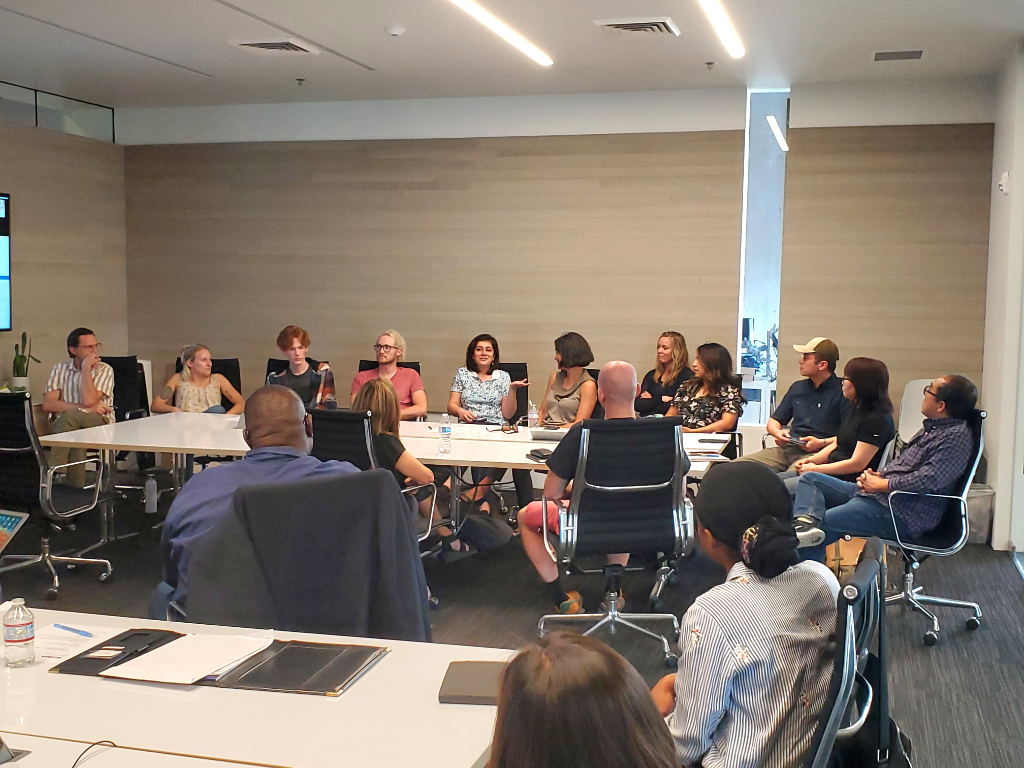
NOMA President Bryan C. Lee gave a keynote address at the recent Kansas City NOMA conference.
By Ryan S. ● Abolition, Arts & Culture, Editorial, National ● December 2, 2025
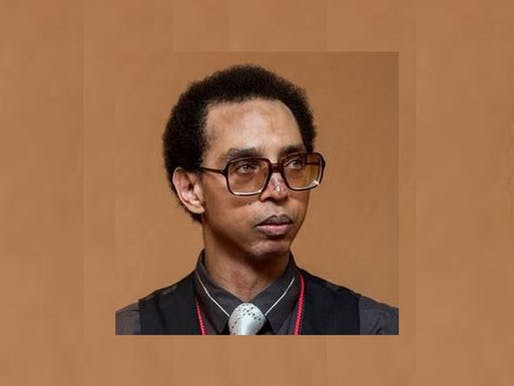
The newly appointed president of the National Organization of Minority Architects, Bryan C. Lee Jr., sits down with The KC Defender’s Executive Editor Ryan Sorrell to discuss why, in an age of fascism, building a blueprint for liberation means reclaiming the spaces where Black life can flourish
You’ve felt it before, even if you didn’t know what to call it.
The bench at the bus stop with the armrest jutting up in the middle, making sure nobody can stretch out when they’re bone-tired after a double shift. The bumps and ridges embedded in the concrete where people used to sit. The bus stop benches that simply disappeared all across Kansas City one day where folks gathered, leaving them to wait with nowhere to rest and nowhere to shelter.
You probably thought it was just terrible design. While that is indeed the case, it’s also something more. It’s called Crime Prevention Through Environmental Design (CPTED) and it was created specifically to keep Black folks, poor folks, and unhoused folks out.
“What I found in the research early on was that almost none of that worked,” Bryan C. Lee Jr., President of the National Organization of Minority Architects (NOMA), tells me over breakfast during the NOMA 2025 conference in Kansas City. We’re at a table where he’s ordering breakfast, his energy both exhausted and electric after days of conference programming.
In the 1970s, the Westinghouse Corporation sponsored research into how cities could shape their built environments to deter what they called “criminals” from certain spaces. The prescription was clinical in its cruelty including harsher lights that assault the senses, benches designed to prevent anyone from sitting too long, desolate conditions that make lingering impossible. The goal was ultimately to make public space inhospitable for people who were deemed “undesirables.”
“So they had this whole study,” Bryan tells me, “That study went to three different cities… and they looked at neighborhoods, they looked at commercial corridors, and they looked at schools and how they might be able to shape space or define space so that, again, quote, unquote, ‘criminals’ would be deterred in some aspects.”
“And what they found was that none of this stuff worked, but they were going to do it anyway.”
I sat, listening.

Each submission gets timestamped with EST time and gets a unique identifier
assigned, example:
S10056
Your ID: S12312312
This notification means your entry was sent successfully to the system for review and processing.
If you have any further questions or comments, reach out to us via the main contact form on the site
Have a great day!
New to NOMA?
Create your account
Already have an account?
Sign in
Not A NOMA Member? Click Here!
Create your account